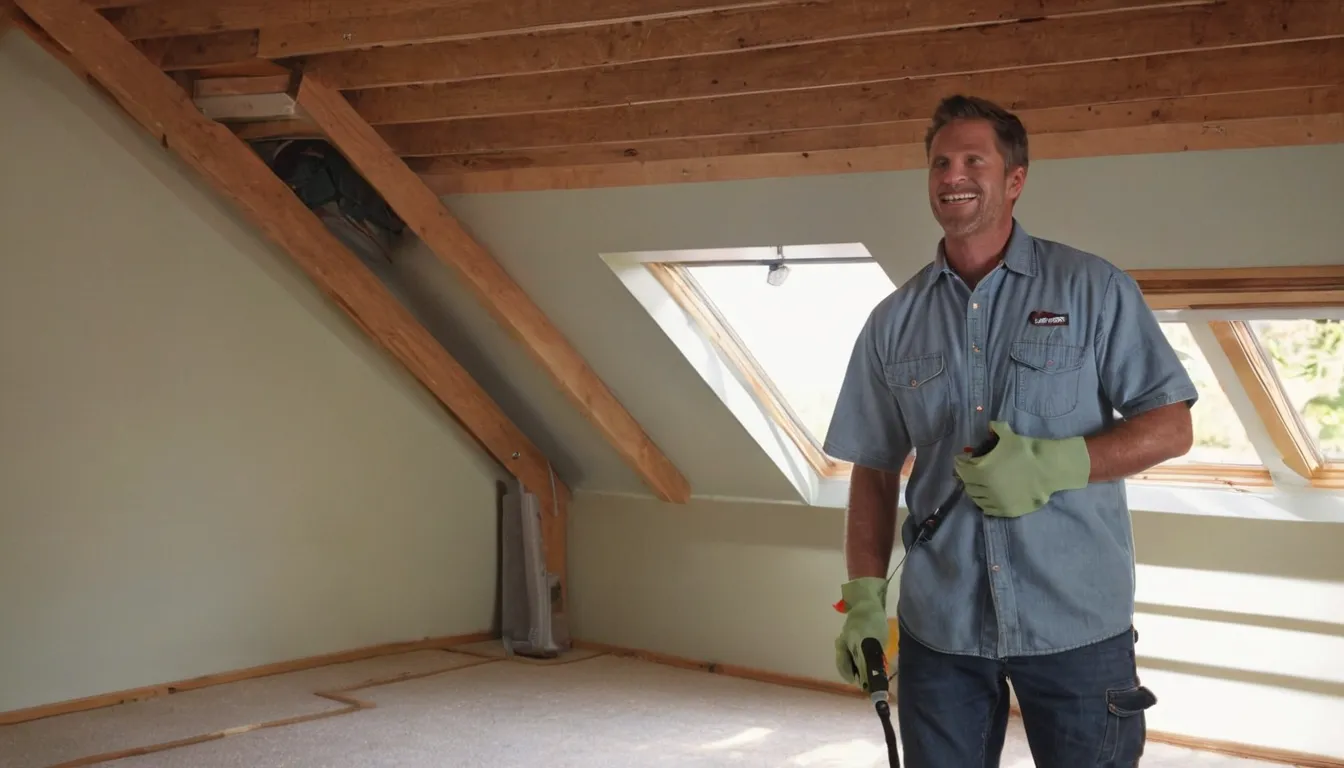
Rodent & Wildlife Removal for Yorkville Homes
Animals move into homes for the same reasons people do. They want warmth, food, and a safe place to sleep. In the Yorkville area, cold winters with deep frost push mice, rats, and squirrels toward attics, walls, and basements. Spring flooding can push others up and out of their burrows.
Shippingadvertising Pest Control is a referral service. We do not do the work. We connect you with independent providers in our network who handle rodent and wildlife removal. This page explains the early signs, how the process works, and what drives the price. When you are ready, you can request an estimate with no obligation.
Scratching in the Attic or Walls? Start Here
A strange sound at night is easy to ignore. It is also the most common first clue. If you hear scratching, rolling, or thumping above or beside you, an animal has likely found a way in.
Think of your house like a coat with a small hole in the pocket. Things slip through, and the hole only gets bigger. A provider in our network can find the hole and explain your options.
Why Waiting Makes the Job Bigger
Rodents breed fast. A small group in November can become a crowd by spring. More animals mean more chewing, more droppings, and a longer job.
Wildlife can add a second worry. A mother raccoon or squirrel may be raising young in your attic. Timing matters, because removing the adult the wrong way can leave babies behind. Small signs, small bills. Acting early usually keeps the work simple.
Early Signs to Watch For
Most homeowners notice one clue first. Then they find the others once they know where to look.
Sounds You Might Hear
Scratching at dusk often points to mice, rats, or squirrels. Heavier thumps in the daytime can mean a squirrel. Chirping or squeaking may mean a nest with young.
Droppings, Smells, and Stains
Mouse droppings look like dark grains of rice. Rat droppings are larger. A musty or sharp smell in a closet or attic is another hint. Greasy rub marks along baseboards show where animals run every night.
Chewed Things and Torn Spaces
Look for gnawed wires, shredded insulation, and chewed boxes. Check the outside too. Gaps near the roofline, vents, and the foundation are common doors.
Animals Providers Commonly Handle
Providers in our network deal with many kinds of animals. The list often includes:
- House mice and Norway or roof rats
- Squirrels and chipmunks
- Raccoons and opossums
- Bats, which often have special rules
- Skunks and groundhogs that dig under porches and sheds
Each animal acts differently, so each needs its own plan. A trap that works for a mouse will not help with a raccoon.
How Removal Usually Works
Think of it like fixing a leaky bucket. You would not keep bailing water without patching the hole. Good removal follows the same idea.
Step One: Inspection
The provider looks at the attic, crawl space, basement, and outside walls. They search for entry points and signs of how many animals are present.
Step Two: Removal and Exclusion
Next, the provider removes the animals with traps, one-way doors, or other methods that fit the species. Then they seal the openings so new animals cannot follow.
Step Three: Cleanup and Repairs
Droppings, nesting material, and damaged insulation may need cleanup. Some providers do this work. Others suggest a separate service. Ask what is included before you agree.
What Drives the Price
Price follows the problem. A single mouse in a garage is a smaller job than a colony in a full attic. The kind of animal, the number of visits, the height of the roof, and the amount of sealing all change the total.
Older frame houses from many decades ago often have more gaps to find. Basements with sump pits and spring flooding can bring in different pests than a dry crawl space. Because every house is different, ask for it in writing. A written quote should list the work, the repairs, and any follow-up visits.
Humane Handling and Local Rules
Rules differ by state and town. Some animals cannot be moved or harmed at certain times of year. Bats and nesting birds often have extra protection. Many providers use humane methods because they are both required in places and often work better.
Ask the provider how they follow local rules. A careful provider will explain what they can and cannot do without making you feel rushed.
Choosing a Removal Provider
When you search for an exterminator near me, you will see many names. A few simple questions help you sort them.
- Do they inspect before they quote?
- Do they seal entry points, or only set traps?
- Is the quote written, with each part listed?
- Do they explain how they handle animals and local rules?
- Is there a follow-up visit if the noises return?
Some providers focus on residential pest control and wildlife removal together, which can be handy if you have more than one problem.
Keeping Animals Out Afterward
Prevention is like locking the door after the visitors leave. Trim tree branches away from the roof. Cap chimneys and cover vents with sturdy mesh. Seal gaps around pipes with metal, not foam alone.
Store pet food and birdseed in tight containers. Keep firewood off the wall. In basements, fix damp spots and check around the sump area for gaps.
Ready to Take the Next Step?
You do not need to be sure about the animal. Describe the sounds, the signs, and where you notice them. A local provider can help sort out the rest.
Use the request form to ask for an estimate. There is no obligation, and you can compare quotes before you decide.
What's Included
Entry Point Inspection
A provider checks the roofline, vents, foundation, and attic to find where animals are getting inside.
Humane Removal
Methods are chosen to fit the animal and local rules, not a one-size approach.
Sealing Gaps
Openings are closed with sturdy materials so animals cannot return.
Cleanup Options
Providers may clean droppings and nesting, or point you to a cleanup specialist.
What Rodent and Wildlife Removal Often Costs
These are typical U.S. ranges, and they vary by animal, home, and region. Price follows the problem. Ask each provider for a written quote that lists every part of the work before you agree.
| Service | Typical range | Notes |
|---|---|---|
| Inspection visit | $75 – $300 | Sometimes applied to the job if you hire |
| Mouse removal | $150 – $600 | Depends on visits and sealing |
| Rat removal | $300 – $1,200 | Often needs more trapping and repairs |
| Squirrel or raccoon removal | $250 – $1,000 | Young animals can add steps |
| Exclusion and sealing | $300 – $2,000 | Larger or older homes cost more |
| Attic cleanup and insulation | $500 – $6,000 | Depends on how much is damaged |
How It Works
Describe What You Notice
Tell us about the sounds, droppings, or damage you have seen and where in the house.
Get Matched With a Provider
We connect you with an independent provider in our network that handles your type of problem.
Review the Written Quote
Check the scope, repairs, and follow-up visits before you say yes.
Provider Does the Work
The provider removes the animals, seals entry points, and explains any next steps.
Why Call Shippingadvertising Pest Control
Independent Local Providers
Providers in our network are separate local businesses that handle the actual removal work.
Plain Explanations
We explain signs, steps, and prices in simple words so you know what to ask.
Written Quotes
Ask for it in writing so you can compare scope and price clearly.
No Obligation
Request an estimate, read it at your pace, and decide if it fits your home.
Other Services
Need rodent & wildlife removal in Yorkville?
- Independent providers across the Yorkville area
- Plain-language price explanations
- Written quotes encouraged
- No obligation to hire
Rodent & Wildlife Removal FAQ
How do I know if I have mice or rats in my house?
Listen for scratching at night and look for droppings, gnaw marks, and greasy rub lines along walls. Mouse droppings are small like rice grains. Rat droppings are larger. A provider can confirm which animal it is.
How much does wildlife removal cost?
Typical U.S. prices run from about $150 for a simple mouse job to $1,000 or more for raccoons or squirrels in an attic. Sealing and cleanup add to that. Costs vary, so get a written quote first.
Will homeowners insurance pay for animal damage?
Some policies may cover sudden damage, but many exclude damage from rodents or long-term infestations. Check your policy. Providers can often help document damage for a claim, though coverage is decided by your insurer.
Reach a local provider
Tell us what you are seeing. Use the request form, or Request a callback to check provider availability. There is no obligation to hire anyone.
No obligation